Why Fall Is the Best Time for Weed Control in Raleigh
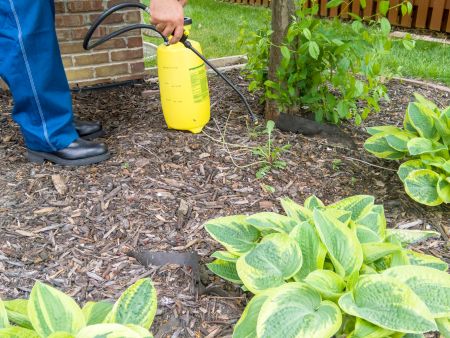
Fall weed control in Raleigh, NC gives you a head start on a cleaner lawn next spring. As nights cool and soil temperatures drop, winter weeds begin to sprout quietly under the grass. That is the perfect moment to stop them. If you want a season-long edge without chasing outbreaks later, partner with a local pro for professional weed control that is timed to the way our soils and seasons really work.
Fall Weed Control in Raleigh, NC: What Changes in Your Lawn
By late September through November, the soil in Raleigh, NC cools enough to wake up a different cast of weeds. These are winter annuals. They germinate in fall, survive the winter, then rush to seed as days warm in spring. If you prevent that fall germination, you cut off most of next spring’s seed bank before it ever appears in the lawn.
Common winter weeds that start in fall include:
- Annual bluegrass (Poa annua), which pops up as soft, bright-green clumps
- Chickweed and henbit, which form low, leafy mats that spread fast
- Bittercress, known for tiny seed pods that launch when touched
Stopping these early keeps your turf from thinning during winter and helps spring color arrive faster. It also makes your yard easier to maintain when schedules fill up after the holidays.
Why Prevention in Fall Beats Chasing Weeds in Spring
Timing beats intensity. When weeds are young, they are sensitive and easy to block. In spring, the same species may already have deep roots or be setting seed, which makes cleanup slower. Fall work also reduces the need for frequent follow-ups later, since fewer plants survive to compete with turf.
There is another bonus. Our cool-season grasses rest easier in fall weather. Treatments face less heat stress, so your lawn holds its green better while weeds fade out. That balance of cooler nights and active roots is a big reason fall programs feel gentler and look better on the curb.
The Role of Soil Temperature and Timing
Soil temperature matters more than the calendar. Many winter weeds start germinating as soil settles near the mid 50s. That is your window for prevention. Raleigh, NC usually hits that mark sometime in the fall, and the exact week can shift with rainfall and cold fronts.
Pre-emergent works before weeds are visible. Think of it as a short, seasonal barrier in the top layer of soil. The goal is not to treat what you see, but to stop seedlings from establishing. When the barrier is in place on time, the impact shows up in winter and early spring when your grass stays cleaner between mows.
Pre-Emergent Applications That Target Winter Weeds
Professionally timed pre-emergent applications are the backbone of fall prevention. They focus on weeds that rely on fall germination, especially annual bluegrass. In many Raleigh, NC lawns, this single step cuts a large share of spring complaints because fewer plants live long enough to seed.
Even with solid prevention, a few escapes can happen after heavy rain or along warm edges near driveways and sidewalks. That is where selective follow-up treatments fit into a professional plan. The result is steadier color, fewer bare seams, and less time spent spotting problem patches later.
How Fall Treatments Fit With Aeration and Overseeding
Fall is also prime time for cool-season turf recovery. Many homeowners in Raleigh, NC refresh tall fescue stands to improve density. The key is coordinating the sequence so every step helps the next. Aeration opens the soil. Overseeding thickens the canopy. Weed prevention keeps new turf from competing with winter weeds during the first months of growth.
Coordinate treatments with overseeding. Your service plan should line up the timing so new grass can establish without blocking its own germination. A local team will stage each visit in the right order and adjust for weather. If you are building density this season, a coordinated approach with aeration and overseeding gives new roots the space, air, and light they need to take hold.
Local insight: In Raleigh, NC, many winter weeds start as soils cool to roughly the mid-50s. If you plan to overseed tall fescue, tell your lawn service early so your pre-emergent schedule supports seed establishment instead of working against it.
Winter Weeds: Small Now, Big Problem Later
Winter weeds feel harmless in December when they sit low and green. By March, they can mat across the surface and crowd thin turf. The earlier you control them, the fewer seeds end up in the topsoil for next year. That is why fall prevention paired with selective winter visits is so effective. To see how this continues into the new year, here is a helpful read from our archive on cool-season timing: is January a good time to treat winter weeds.
When treatments are timed right, you will notice neater edges, cleaner mulch lines, and fewer green blotches breaking through after a warm spell. That tidy look carries into spring, which means the first mow of the year can focus on fresh growth instead of chasing patches.
Soil, Shade, and Edges Around Raleigh, NC
Local soils tend to be on the clayey side, which hold moisture and warm slowly in drier snaps. Shade from mature trees keeps some spots cool and damp, while open exposures near sidewalks heat quickly on sunny afternoons. These small shifts explain why annual bluegrass loves curb lines and why chickweed lingers in low, shaded corners. A good plan looks at the whole yard, not just the most obvious patches.
Edges along driveways, mailbox islands, and south-facing slopes often need a little extra attention, especially after fall rains. A targeted service visit there can make all the difference in how the lawn looks by early March.
How Fall Weed Control Supports Spring Color
When winter weeds are blocked early, your grass keeps more nutrients, light, and space. That leads to thicker cover through winter and a faster green-up in spring. You also reduce seed load for the following year, which means less pressure season after season. That is the compounding NClue of doing the right work now instead of rushing in April.
For homeowners comparing options, remember this simple rule: Avoid last-minute spring rush. It is harder to win when weeds are older, tougher, and already seeding. Fall prevention sets the stage so spring can focus on growth and appearance, not emergency cleanup.
A Seasonal Rhythm That Works in Raleigh, NC
Every property is different, but the rhythm below outlines how a professional plan often lines up in our area. It is designed to protect new turf, reduce winter weed pressure, and set up a cleaner spring. Your technician will fine-tune dates around weather and your grass type.
- Early to mid fall: Prevention focused on winter annuals while soil temps are right
- Fall recovery window: Aeration and overseeding sequence to build density where needed
- Late fall to winter: Spot control for any visible escapes in edges or warm micro-sites
- Early spring: Lighter follow-up as lawns wake, then nutrition as turf becomes active
If you want a quick summary of nutrient timing that pairs well with weed prevention, this overview of the best times to fertilize in Raleigh’s climate shows how the feeding schedule shifts as temperatures move.
When you are ready to map out a plan, you can always start at our home base for lawn service in Raleigh and see how our team approaches local soil, shade, and seasonal changes.
Why Homeowners Choose a Local Raleigh, NC Lawn Service
A local team knows how early cold snaps, late-season rain, and leaf drop can change timing across the block. They also understand how clay-heavy soils respond after aeration and how shade patterns shift as trees lose leaves. That practical knowledge, paired with a measured service schedule, gives your lawn the best chance to look even and healthy from Thanksgiving through the first mow of spring.
At Wicked Weed Control Inc, we build plans that respect your turf type and your yard’s microclimates. That includes a smart mix of prevention, selective follow-ups, and density-building work during the fall recovery window. If you want fewer surprises later, start with the service that makes the biggest difference now: expertly timed fall weed prevention on your property in Raleigh, NC.
Ready For A Cleaner Lawn This Spring? Start In Fall.
Make this the year you stop winter weeds before they spread. Our local team will assess your lawn, stage the right sequence, and keep the schedule on track with the weather. Call us at 919-207-1271 to plan your fall program, or learn more about our approach to weed control and how it fits with your lawn goals.
Get Your Lawn Looking Its Best Schedule a Service with Raleigh’s Lawn Experts Today!