The Most Common Summer Weeds in Raleigh Lawns
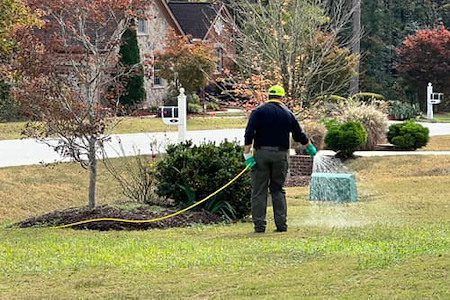
Hot, humid weather in Raleigh brings out a tough cast of summer weeds. If patches of coarse grass or wiry leaves are sneaking into your yard, you are not alone. A smart plan that includes timely treatments and a balanced lawn fertilization program helps your turf close ranks so invaders have fewer places to land.
For a quick refresher on local pressure and why timing matters, you can start with our overview of summer weeds in Raleigh, NC before diving into the species below. The goal is simple: understand what you are seeing so you can decide when it is time to bring in Wicked Weed Control Inc for targeted help.
Why Summer Weeds Surge In Raleigh, NC
Raleigh sits in the transition zone, where cool-season turf like tall fescue and warm-season grasses like bermuda and zoysia both grow. That mix, paired with clay soils, warm nights, and pop-up thunderstorms, creates perfect openings for fast-germinating weeds. After a storm, soil stays warm and damp. Seeds that waited all spring finally get what they need, then a sunny afternoon pushes them to sprout.
How To Spot The Usual Suspects
You do not need to be a botanist to recognize what is taking over. Look for these quick visual cues as you walk the yard after mowing:
- Coarse, flat clumps that sit higher than the lawn a few days after a cut.
- Shiny, bright-green shoots in soggy or low areas that outgrow the turf between rains.
- Low, mat-like plants that bleed milky sap or scatter tiny green “leaflets.”
- Spreading vines with opposite leaves that tangle into the canopy and feel rubbery.
Crabgrass And Goosegrass: Summer Annual Grasses
Crabgrass
Crabgrass sprouts as soil warms in late spring and early summer. It grows in open, sunny spots and along hardscapes where heat reflects back on the turf. Blades are wider than most lawn grasses and splay out like a many-armed star. Left alone, it forms low, seeding clumps that overshadow fescue and thin zoysia at edges.
Goosegrass
Goosegrass looks like crabgrass at a glance but feels tougher and more wiry. The clump centers can look slightly silver or flattened, and it loves compacted soil near walkways and play areas. Both species return from seed each year, which is why preventing germination matters so much.
Nutsedge And Kyllinga: Look-Alikes That Love Wet Spots
Yellow And Purple Nutsedge
Nutsedge is not a true grass. It has triangular stems you can feel between your fingers and grows faster than your lawn after rain. Blades are glossy and stand upright, creating bright-green tufts that outpace weekly mowing. It thrives in low, wet areas and along irrigation leaks.
Green Kyllinga
Kyllinga is a close cousin that spreads into dense, carpet-like patches. You may notice small round seedheads on short stalks. It colonizes soggy soil and sunny drainage lines. Both nutsedge and kyllinga spread aggressively once established, so accurate ID and consistent, professional treatment are key.
Spurge, Chamberbitter, And Lespedeza: Fast-Spreading Broadleaf Weeds
Spotted Spurge
Spurge forms thin, red-tinted stems that create a flat, circular mat. Snap a stem and you may see milky sap. It hugs hot pavement, fills thin turf, and multiplies quickly as summer heat peaks.
Chamberbitter
Chamberbitter looks like a tiny mimosa tree, with rows of oval leaflets along each stem. Flip it over and you will spot seed pods tucked beneath the leaves. It thrives after warm rains and can blanket bare soil in a few weeks.
Lespedeza
Lespedeza grows as wiry, low mats with three-part leaves. Mowers often skate over it because the stems are tough. It loves compacted, nutrient-poor areas where turf is thin, especially along sidewalks and well-traveled paths.
Virginia Buttonweed And Doveweed: Tough Perennials
Virginia Buttonweed
Buttonweed weaves through the canopy with opposite leaves and small, white, star-like flowers. It roots at nodes and creeps under the mower, making it hard to remove once it settles in. Moist, low sections of the yard are its favorite entry points.
Doveweed
Doveweed mimics turf color, then thickens into slick patches that feel different underfoot. You often notice it when a section stays a brighter green even after long heat spells. Once it gains ground, it can push out desirable grass in sunny areas with warm soil.
Pre-Emergent Vs. Post-Emergent: What Actually Works In Raleigh
Most summer weeds arrive from seed. That is why a well-timed pre-emergent program is the backbone of control. Pre-emergent products create a barrier in the upper soil layer that stops seeds from growing into mature plants. When the season is already in motion and weeds are visible, targeted post-emergent treatments focus on specific species without harming your lawn.
Timing is everything in the Triangle. Warm nights accelerate both germination and growth, so a calendar that works in cooler climates can miss the window here. If you are curious how nutrient timing fits with control windows, this quick read on the best times to fertilize your lawn in Raleigh’s climate explains why schedules shift across the year.
How Lawn Fertilization Supports Weed Control In Summer
Healthy turf is the best weed defense. Proper nutrition thickens the canopy, shades the soil, and reduces open space where seeds can sprout. Balanced nitrogen and supporting nutrients improve recovery after heat, foot traffic, and mowing. That is why many Raleigh homeowners pair weed control with professional lawn fertilization to keep density high through the hottest months.
Overfeeding at the wrong time can backfire. Cool-season grasses like tall fescue may become more disease-prone with heavy summer feeding. Warm-season grasses like bermuda and zoysia need a different plan. A local schedule tuned to grass type and weather avoids stress while supporting steady growth.
Neighborhood And Microclimate Factors Across Raleigh
Raleigh’s hills, trees, and hardscapes create microclimates that change how weeds behave. West-facing slopes in North Hills or open lots near Brier Creek heat up fastest. Shaded pockets closer to Five Points stay cooler but humid overnight. Low spots along Glenwood Avenue corridors collect runoff and hold moisture. Each of these patterns tips the scales toward one group of weeds or another.
- Edges heat first. Expect crabgrass and goosegrass along sidewalks, driveways, and mailbox islands.
- Low, wet zones invite nutsedge and kyllinga, especially after afternoon storms.
- Thin turf in compacted soil opens the door to spurge, chamberbitter, and lespedeza.
When It Is Time For Professional Weed Control
If you are seeing multiple species at once, or if patches rebound within a week of mowing, it is time for targeted help. A trained technician will identify the mix, select the right approach for your turf type, and schedule visits around weather. Learn what that looks like with our overview of professional weed control for Raleigh lawns.
Curious why some areas brown while weeds keep thriving? This explainer on why Raleigh lawns turn brown in summer shows how heat and soil conditions stress turf while opportunistic weeds surge.
Real-World Examples From Around The City
In Midtown cul-de-sacs with full afternoon sun, crabgrass shows first along the curb, then radiates into the yard. On sloped drive-ups near Leesville Road, goosegrass thrives where feet and tires compact soil. Around greenway-adjacent homes, kyllinga creeps into backyards that stay humid overnight. Downtown townhomes with tight courtyards often see spurge and chamberbitter in thin, high-traffic corners.
If a spot keeps coming back after every mow, it is usually a clue the site conditions favor that weed. Adjusting the plan to your block and soil is what makes the difference between a short-term knockdown and a cleaner yard through Labor Day and beyond.
What Success Looks Like In Raleigh’s Summer
A successful summer program does not chase every sprout one by one. It reduces new germination, targets what broke through, and feeds the lawn so it can outcompete what is left. By late summer, the goal is denser turf, fewer open seams, and shorter, weaker regrowth between service visits. That sets you up for stronger color in early fall and fewer weed seeds waiting for next year.
Get A Healthier, Weed-Resistant Lawn This Summer
Ready for a cleaner yard through the hottest weeks? Partner with Wicked Weed Control Inc for a plan tuned to Raleigh’s weather, soils, and your grass type. Our team combines precise weed control with seasonally smart Raleigh lawn fertilization so your turf has the strength to hold its ground when heat and humidity peak.
Call us at 919-207-1271 to schedule your visit, or choose the service path that fits your property. When you want fewer weeds and thicker grass in neighborhoods across Raleigh, our approach is built to deliver results you can see on the curb.
Get Your Lawn Looking Its Best Schedule a Service with Raleigh’s Lawn Experts Today!