How Often Should You Fertilize Your Lawn During a North Carolina Summer?
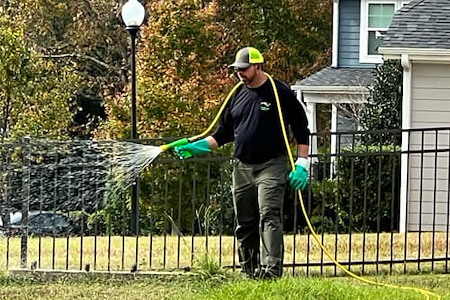
Hot, humid summers in Raleigh, NC can be tough on turf. The right fertilization rhythm helps your grass stay thick, green, and resilient when the heat sets in across North Hills, Brier Creek, and Five Points. If you want a schedule that matches local weather and grass types, a professional lawn fertilization service is the safest path to steady summer color.
Why Timing Matters In Raleigh, NC
Raleigh sits in a transition zone where both warm-season and cool-season grasses grow. Summer brings long daylight, warm nights, and pop-up storms that can push growth one week and stress it the next. Feeding at the wrong time risks weak roots, disease, or wasted nutrients that wash away during a thunderstorm.
Feeding at the right time does the opposite. It supports thicker turf that shades the soil, reduces weed pressure, and bounces back after backyard traffic, kids, and pets. A well-timed plan also respects the different growth cycles of bermuda, zoysia, and tall fescue seen across neighborhoods from Oakwood to Glenwood South.
Warm-Season Vs. Cool-Season Grasses
Warm-season grasses like bermuda and zoysia love heat. They grow most in late spring through mid-summer, so summer nutrition typically supports energy needs during their natural surge. That is why you see dense, fast growth on sunny lots from North Raleigh to Brier Creek once nights turn consistently warm.
Cool-season tall fescue behaves differently. It prefers spring and fall, then coasts through summer with careful management. Heavy summer feeding can invite disease and stress, especially during long hot spells or when nights stay muggy. Most homeowners with fescue inside the Beltline focus on fall nutrition and lighter summer touchpoints guided by a pro to avoid setbacks.
So the question is not just “how often,” it is also “what grass do I have, and how is the weather trending this month.” Matching both keeps color without overdoing it.
Local tip: Raleigh’s quick afternoon storms can arrive right after a sunny morning. Plan service so fertilizer is watered in gently, not washed away. Never fertilize right before a heavy storm when runoff can carry nutrients off your property.
A Simple North Carolina Summer Schedule
Every lawn is unique, and exact timing varies by grass type, soil, and weather. Still, most professional programs in Raleigh follow a steady cadence that keeps nutrients available without pushing growth too hard in peak heat.
- Warm-season lawns (bermuda, zoysia): summer feedings often land during their active window, spaced to support steady color and density from early summer into late summer.
- Cool-season lawns (tall fescue): minimal summer feeding, if any, with the emphasis placed on strong fall visits to repair heat stress and thicken the canopy.
Soil plays a role too. Many Triangle properties have compacted clay that slows air and water movement. Pairing seasonal nutrition with aeration and seeding at the right time helps roots access what you invest in, especially on lots that see frequent foot traffic or summer events.
Signs Your Lawn Needs A Mid-Summer Boost
Instead of feeding by the calendar alone, watch for simple cues that a professional can confirm during a visit. These signs are common across Cary, Garner, and Raleigh neighborhoods as heat builds:
- Color fades from rich green to dull olive even with regular mowing and irrigation.
- Thin areas open near sidewalks, driveways, and curb edges where heat reflects.
- Traffic spots recover slowly after weekend use, leaving scuffed patches.
- Weeds creep into weak seams faster than they do in spring or fall.
Avoid fertilizing cool-season fescue during peak heat without guidance. When night temperatures stay high and humidity lingers, pushing growth can invite disease. A trained eye can adjust the plan to support recovery while keeping stress low.
Common Raleigh Challenges In Summer
Thunderstorms are a big one. Intense rain can leach nutrients and thin color, especially on sloped yards in Midtown or along curb lines that heat up quickly. Shallow soil near hardscapes often dries faster, then bakes under the afternoon sun.
Another challenge is summer weed pressure. As soil warms and stays damp after rain, annual grasses and broadleaves wake up fast. A stronger lawn is your best defense, which is why balanced summer nutrition and weed control work hand in hand. For a broader view of timing across the year, this quick read on the best times to fertilize your lawn shows how schedules shift with the seasons.
How Professionals Keep Your Lawn On Track
Pros track weather swings, soil response, and grass type to fine-tune the plan. That includes reading local patterns, like the hotter microclimates you find on west-facing slopes in North Hills or open exposures near Brier Creek. They schedule visits so nutrients are used, not wasted.
Professionals also check soil over time. Regular soil testing helps prevent guesswork and keeps the plan focused on what your property actually needs. When the right nutrients go down at the right time, you get thicker turf, fewer bare seams, and better recovery after summer fun.
If you are building a long-term plan, consider how core services fit together. Summer nutrition supports density, while fall visits rebuild cool-season lawns after heat. Complementary services like professional lawn fertilization and aeration in the right season set you up for stronger color through the holidays.
Neighborhood Examples Around The Triangle
Inside the Beltline, tight lots and mature trees can trap humidity at night. Lawns there benefit from timing that respects long, warm evenings. In sunny sections of North Raleigh, open exposures push warm-season turf to grow fast, so summer nutrition focuses on steady color and resilience.
Along Glenwood South and Oakwood, compacted soil near sidewalks and driveways warms up first. That is where thin seams often appear by late June. In those locations, nutrition that supports density plus seasonal weed control limits open space where invaders can settle.
What “Often Enough” Looks Like In Practice
There is no single number that fits every lawn. The best schedule reacts to grass type, rainfall, and how your yard is used each week. A family that hosts frequent cookouts on a bermuda lawn near Brier Creek will have different needs than a shaded tall fescue lawn off Wade Avenue that sees light traffic.
A good rule of thumb is simple. Feed warm-season turf consistently during its natural summer surge, and keep fescue conservative until cooler weather returns. That balance keeps color and thickness without pushing growth when the plant is tired.
Your Path To A Greener Summer
If your yard is looking flat or thin, it is a sign to check the plan. A local pro will align timing with this month’s weather and what is planted out front. You can also explore more seasonal context by skimming the best times to fertilize your lawn for our area.
Want to dive deeper into how often to feed, without trial and error? Start at our home base to learn more about how often to fertilize lawn and what that means for different Raleigh neighborhoods and grass types.
Ready For Help From Wicked Weed Control Inc?
Summer is the hardest season to wing it. If you want steady color through August and a strong handoff into fall, let our team build a schedule that fits your lawn and the Raleigh weather pattern. When you are set to move forward, choose our professional lawn fertilization and we will take it from there.
Prefer to talk it through? Call us at 919-207-1271 and we will match your grass type, lot conditions, and goals with a plan that works for your home.
Get Your Lawn Looking Its Best Schedule a Service with Raleigh’s Lawn Experts Today!